For decades, South Africa’s investment landscape has been shaped by an urban-centric mindset. Capital has flowed overwhelmingly to metropolitan areas, while tribal and communal land has often been viewed through the narrow lens of legal complexity rather than economic opportunity. This perception has caused investors to overlook one of the country’s most significant untapped growth markets. As the debate shifts from land rights to inclusive economic development, it is becoming increasingly clear that tribal areas should no longer be regarded as peripheral – they are central to South Africa’s future.
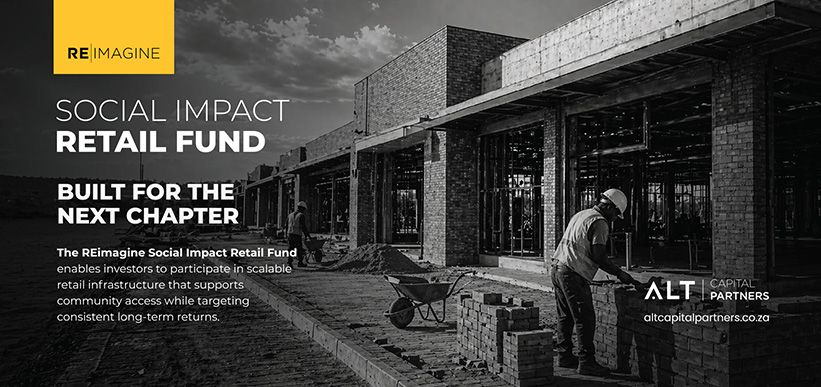
More than 17 million South Africans live on communal land, where vibrant local economies already exist. Social grant income, agricultural activity, informal trade and substantial retail spending create a strong economic base. The challenge is not a lack of demand; it is that communities are forced to travel long distances to access retail, healthcare, education and government services because these investments have not followed the people.
The real opportunity lies in capturing existing spending closer to where communities live, creating local jobs while reducing economic leakage from rural areas.
So why has investment continued to bypass these markets?
The answer lies in institutional bias. Traditional investment models were designed around municipal land ownership, title deeds and established planning systems. Communal land requires different approaches, and many investors have mistaken unfamiliarity for excessive risk. Concerns around tenure security, governance and community acceptance often dominate investment discussions, despite evidence that well-structured developments on communal land frequently enjoy stronger local support than projects in urban environments. Capital has tended to follow precedent rather than opportunity.
Investors also tend to focus on land ownership when they should be focusing on cash flow. Successful retail property is ultimately driven by population density, consumer demand, accessibility and tenant affordability – not by the existence of a title deed. Across South Africa, developments in underserved markets have demonstrated that long-term lease agreements, partnerships with traditional authorities and collaborative governance structures can provide stable, bankable investment platforms. Strong traditional leadership often delivers long-term stewardship, local legitimacy and faster stakeholder alignment, all of which reduce project risk rather than increase it.
However, successful investment cannot simply involve building assets in rural communities; it must create lasting participation and shared prosperity. The global development conversation has evolved beyond consultation towards shared value creation. Communities should become long-term stakeholders through equity participation, community trusts, revenue sharing arrangements and governance representation. Local employment commitments and enterprise development programmes should ensure that construction, security, maintenance, landscaping and facilities management opportunities benefit local businesses and residents. Sustainable development occurs when communities are not merely hosts of investment but participants in the value it creates.
Several global trends reinforce this opportunity.
Firstly, impact capital is increasingly favouring place based investment that delivers measurable social outcomes alongside commercial returns. Investors are actively seeking opportunities that promote inclusive growth, strengthen social infrastructure and stimulate rural economies. Tribal areas are well positioned to benefit from this shift. Secondly, infrastructure has become the true catalyst for investment. Roads, electricity, water, fibre connectivity and transport networks often matter more than debates around ownership structures. Investment follows infrastructure, and where governments and private capital work together to improve connectivity, broader economic activity inevitably follows.
Retail and social infrastructure can become powerful anchors for broader development. Shopping centres, healthcare facilities, schools and government service hubs attract people, stimulate local entrepreneurship and create confidence for further private investment. These assets become the foundation upon which broader ecosystems of economic activity emerge.
The future of investment in tribal areas will not be determined by ownership models alone but by partnership models. Successful developments require collaboration between traditional authorities, private investors, development finance institutions, municipalities and communities. Each stakeholder contributes a different capability, and together they create resilient, investable projects that generate both financial returns and measurable social impact.
South Africa stands at an important crossroads. For too long, communal land has been viewed primarily through a lens of limitation. The next decade demands a different perspective – one that recognises the immense economic potential of underserved markets. If the country’s objective is inclusive growth, then investment must follow people, not merely legal structures. Tribal areas represent more than an untapped market; they represent an opportunity to redefine how investment creates prosperity. By embracing partnership, innovation and community ownership, South Africa can unlock sustainable growth where it is needed most, ensuring that the communities who have stewarded these lands for generations become active participants in the wealth they help create.