Generation X, currently aged 46 – 61, are fast approaching retirement. The key question is: Are they ready for this important milestone? This generation is often overlooked in the media, which tends to focus on younger generations such as Millennials. Yet, Gen X are unique in many ways.
They are currently in their prime earning years but find themselves “sandwiched” between competing responsibilities − supporting dependent children while also caring for ageing parents. As a result, many face significant financial, physical and emotional pressure, often prioritising others’ needs ahead of their own retirement savings.
In addition, Gen X’s journey to retirement differs significantly from that of previous generations.
When they entered the workforce, traditional defined-benefit pension funds were being replaced by defined-contribution retirement funds.
This shift makes Gen X, particularly in South Africa, a real-world test of how effectively defined-contribution systems can deliver on retirement outcomes. In this environment, the responsibility, and risk, of funding retirement rests squarely with the individual.
Current snapshot
Focusing on those Gen X-ers who have not yet retired, the Sanlam BenchmarkTM Survey paints a concerning picture. Many are struggling to keep their retirement plans on track.
- Only 41% believe they are on track to accumulate sufficient retirement capital.
- Just 48% believe they will be able to maintain their current standard of living in retirement.
Respondents identified their top three short-term financial stressors as medical expenses, monthly living costs, and saving for retirement.
While awareness of the two-pot system introduced in 2024 is high (90%), fewer Gen X-ers have accessed their retirement savings compared to younger cohorts:
- 32% have accessed their savings pot once; and
- 18% have accessed it more than once.
These withdrawals were mainly used for debt servicing, family support, and household and living expenses, emphasising the financial pressure they face.
Encouragingly, only 13% reported spending on gambling or the lottery in the past three months, which is lower than that of younger generations.
Two thirds of Gen X respondents indicated they have an emergency fund, primarily held in savings accounts or Tax-Free Savings Accounts, with Kruger Rands being the least preferred option.
However, despite approaching retirement there are signs of disengagement:
- Only 71% know the value of their retirement savings.
- Only 67% understand how their savings are invested.
Looking ahead to retirement
Six in ten Gen X-ers would prefer the option to work beyond their employer’s normal retirement age (typically around 61), reflecting an implicit recognition that many are behind in their retirement journey.
When asked how they define their retirement targets:
- 37% aim for a percentage of salary (replacement ratio);
- 26% aim for a multiple of salary; and
- 18% target a fixed rand amount.
Despite approaching retirement, awareness remains limited:
- Only 55% are aware of their fund’s trustee-endorsed annuity strategy.
- A similar proportion understands the annuity options available at retirement.
Views on when retirement education should begin vary widely:
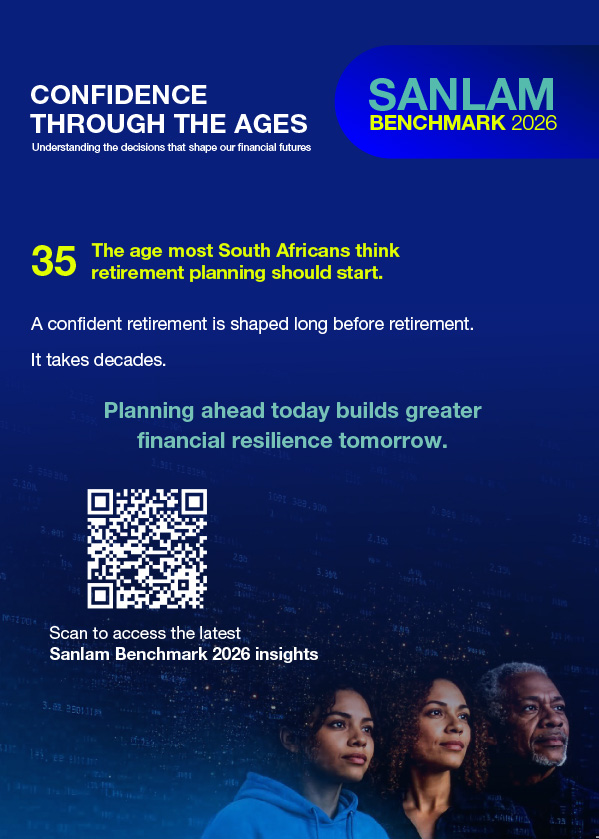
- From age 35 onwards: 35%
- When members fall off track: 23%
- From age 45 onwards: 22%
- Only 10 years before retirement: 19%
However, taken together, the above reveals an engagement and education gap and gives a clear signal to retirement funds that Gen X-ers and younger cohorts need earlier and more targeted interventions to ensure they reach their retirement goals.
How Gen X-ers can get back on track
Younger members of Gen X still have a limited but meaningful window to improve their retirement outcomes.
- Increase contributionsMany individuals reduce retirement savings in their 30s and 40s due to cost-of-living pressures, particularly when raising children. As financial pressure eases, there is an opportunity to increase contributions. Recent budget changes, including an increase in the tax-deductible cap on retirement contributions to R430 000 per year, provide further incentive.
- Reconsider retirement timing
Early retirement may be appealing, but it comes at a significant cost: Fewer years of contributions, less time for investment growth, and longer retirement period to fund. Delaying retirement can materially improve outcomes. - Seek professional advice
Retirement planning is complex. Engaging with a financial advisor can help individuals assess their current position, develop a realistic plan, and make informed decisions on savings and income strategies even when emergencies arise.
Redefining retirement
Despite the pressures they face, Gen X-ers have the opportunity to redefine what retirement means.
Retirement should not be viewed as a fixed age but rather reframed as financial independence – the ability to generate a sustainable income from their own accumulated savings rather than having to rely on an employer to pay their monthly salary.
This shift enables a more flexible transition, where individuals phase out of full-time employment, and continue with part-time or contract work while maintaining both an income and sense of purpose.
Is this realistic? Encouragingly, younger Gen X-ers still have enough time to plan for, and achieve, a more flexible and financially secure retirement.