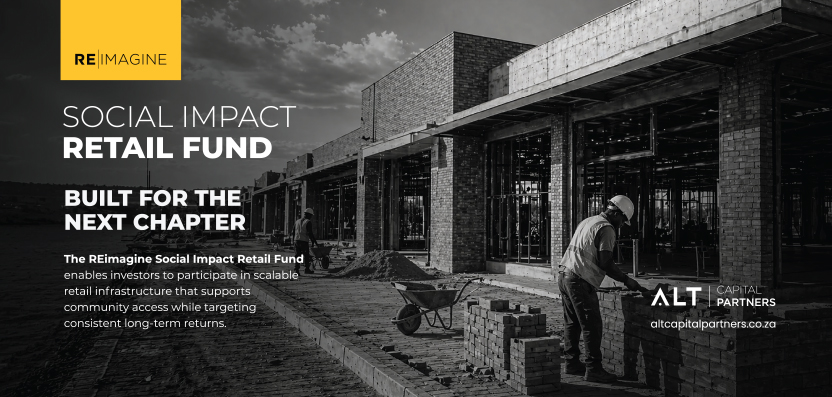
South Africa’s economic geography remains deeply shaped by its apartheid past, with township and rural areas historically marginalised from mainstream economic activity. Today, these areas are home to a significant share of the population, including nearly 40% of the working-age population and a majority of the unemployed. Investing in these regions is not only a moral imperative but also a strategic opportunity to unlock inclusive growth, reduce inequality and build a more resilient national economy.
One of the most significant economic benefits of investing in these areas is job creation. Townships and rural regions host many informal and small enterprises – such as spaza shops, street vendors and service businesses – which form the backbone of local economies. With targeted investment, these micro and small enterprises can scale, formalise and integrate into broader value chains. Evidence from development programmes such as eKasiLabs shows that investment in township enterprises leads to increased productivity, innovation and employment.
By supporting entrepreneurship, investment directly addresses South Africa’s high unemployment rate, particularly among youth.
Beyond job creation, investment in these areas promotes inclusive economic growth. Historically, economic activity in South Africa has been concentrated in urban centres, excluding millions of people from meaningful participation. By directing capital into these economies, opportunities are spread more equitably across regions. This helps reduce spatial inequality and ensures that economic growth benefits a broader segment of society. Importantly, townships represent a substantial consumer market – estimated at hundreds of billions of rand annually – demonstrating their potential as engines of demand and production.
From a social perspective, investment in township and rural areas contributes significantly to poverty reduction and improved living standards. Many township and rural residents face limited access to infrastructure, services and economic opportunities. Investments in infrastructure – such as roads, electricity, water and digital connectivity – enable economic activity and improve quality of life. At the same time, increased employment and business opportunities raise household incomes, enabling better access to education, healthcare and housing.
Another key social benefit is community empowerment and social cohesion. Investment in local enterprises and development initiatives fosters a sense of ownership and participation among residents. When communities are actively involved in economic activities, they become more resilient and cohesive. Programmes that combine funding with mentorship, skills development and market access have shown that empowering entrepreneurs leads to broader community upliftment. This empowerment is particularly important for historically disadvantaged groups, including women and youth, who often face barriers to entering the formal economy.
Investing in these regions also plays a crucial role in reducing inequality, one of South Africa’s most pressing challenges. By targeting underserved areas, investment helps bridge the gap between wealthy urban centres and poorer communities. Inclusive development reduces income disparities and creates more balanced economic growth. This not only improves social outcomes but also contributes to long-term economic stability, as more people are able to participate in and contribute to the economy.
Furthermore, such investment enhances social stability and reduces crime. High levels of unemployment and poverty are closely linked to social unrest and crime in many communities. By creating jobs, improving infrastructure and fostering economic activity, investment addresses some of the root causes of instability. As economic opportunities expand, communities become safer and more attractive for further investment, creating a positive cycle of development.
In addition, investing in rural and peri-urban areas supports urban decongestion and balanced development. South Africa’s major cities face increasing pressure from migration, often driven by the lack of opportunities in rural areas. By developing economic opportunities closer to where people live, investment reduces the need for migration and helps create more sustainable settlement patterns. This balanced development eases the burden on urban infrastructure while promoting growth in secondary towns and rural regions.
Finally, investment in these areas contributes to long-term national economic growth. A more inclusive economy, where more people are economically active, leads to higher productivity and increased aggregate demand. By unlocking the potential of underdeveloped regions, South Africa can expand its economic base and improve its global competitiveness. The township economy, in particular, has been identified as a key driver of inclusive growth when supported with the right mix of capital, skills, and market access.
In conclusion, investing in townships, rural and peri-urban areas offers substantial social and economic benefits for South Africa. It drives job creation, promotes inclusive growth, strengthens local economies and improves living standards. At the same time, it fosters social cohesion, reduces inequality and enhances stability. For investors, policymakers and development practitioners, these regions represent not just a challenge, but a powerful opportunity to build a more equitable and prosperous South Africa.